How to market yourself without feeling salesy
"I know I need to promote myself. I just hate talking about myself."
I hear some version of this all the time, and usually from people who have absolutely no problem talking about the work itself.
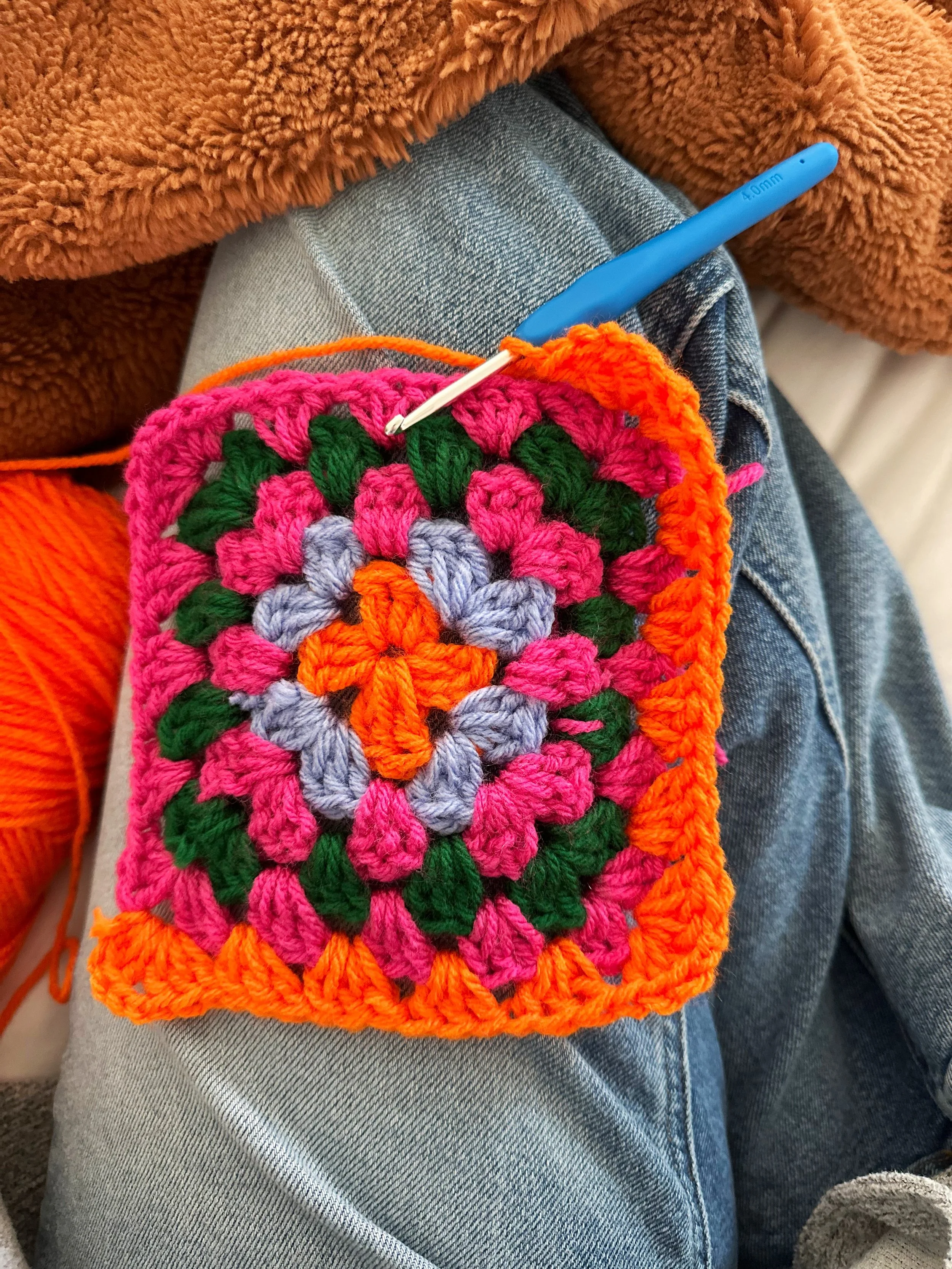
Ask a photographer about the light she was chasing during a shoot and she'll tell you everything. Ask a florist why she chose those particular flowers. Ask somebody running a retreat why they've planned the weekend in that particular way. Ask someone who crochets about the work that goes into making one piece and suddenly there's loads to say.
It's the moment it becomes, "Now sell yourself on Instagram", that everything goes blank.
So perhaps that's the problem. You don't need to spend all your time talking about yourself, you need to get better at showing people the work.

Marketing yourself isn't the same as constantly selling yourself
A lot of founders picture marketing as repeatedly saying "book with me", "buy this", "here's my service" or "I've got three spaces left".
Of course you need to tell people what you're selling sometimes, but if that's all your marketing is, I'd find it uncomfortable too.
Most of the marketing that builds trust happens before that point. It's helping somebody understand what you do, showing them how you work, answering the questions that might be stopping them enquiring and giving them enough of a feel for your business that when they are ready, yours is the name they remember.
That's marketing too.
Social media is a brand awareness tool, not just a sales tool
This is probably one of the biggest mindset shifts I wish more small business owners would make.
Your social media doesn't need to generate a sale every time you post. In fact, most posts won't, and that's not a sign they're not working.
Social media is brilliant for building brand awareness. It keeps your business visible and gives people lots of small opportunities to get to know you, understand what you offer and see what makes your business different. Over time, all of those little interactions start to build familiarity and trust.
Someone might follow you for six months without buying anything. They might watch your Stories, occasionally like a post and read one of your emails. Then you announce a workshop that's exactly what they've been looking for, open bookings for a retreat they've been thinking about or launch something that solves a problem they've suddenly got.
They're not discovering you for the first time on the day they buy. You've already spent months becoming familiar to them.
That's why judging every social media post by whether it generated a sale is such a frustrating way to market your business. The sooner you understand that social media is helping to keep your brand top of mind, rather than acting like a salesperson every time you post, the easier your marketing starts to feel.
Sales absolutely matter, but they don't have to come directly from every post. Sometimes the job of today's post is simply to make sure you're the business someone remembers when they need what you offer.
Show people the bit they don't normally see
Behind the scenes content is one of my favourite types of content because every business has it, even if you don't think yours is particularly interesting.
A crochet designer showing the work that goes into one finished piece. A photographer showing what happens before a brand shoot. A facialist preparing the treatment room before her first client. A wedding stylist arriving at an empty venue before the transformation starts. A baker working on an order before it reaches the display counter.
None of those posts need to say, "I'm brilliant at my job." The work is doing that bit for you.
And it's far more interesting than another generic graphic telling people you have availability.
Talk about why you do it the way you do
This is where your expertise starts showing without you having to announce that you're an expert.
Why did you recommend that? Why don't you offer something everybody else seems to offer? Why did you choose that material? Why is your process different? Why do you ask that question before somebody books? Why have you structured your service that way?
The things that feel completely obvious to you often aren't obvious to the person considering working with you. Some of your best marketing ideas are probably sitting in the decisions you make every day without thinking about them.
Answer the questions you're already being asked
You don't need to sit in front of a blank content calendar and invent 30 educational posts. Listen to your customers instead.
What do people ask before they book? What comes up in DMs? What does somebody want to know when they visit your shop? What are people worried about before buying? What did somebody ask on your last discovery call?
For a self-catering property, it might be whether dogs are allowed or how far you are from the nearest town. For a wedding photographer, it might be what happens if it rains. For somebody selling handmade products, it might be how long an order takes to make. For a massage therapist, it might be what to expect from a first appointment.
Those questions are marketing ideas, and usually better ones than whatever happens to be trending on Instagram that week because they're based on what your actual customers want to know.
Be specific enough that somebody recognises themselves
This is a big one.
"Helping you feel your best."
"Creating beautiful experiences."
"Helping businesses thrive."
They sound nice, but they don't tell me very much.
Specific marketing is much easier to trust because the person reading it can work out whether it's meant for them. Compare "we create beautiful wedding flowers" with talking about helping a couple who loves wild, seasonal flowers turn a blank Worcestershire venue into something that actually feels like them.
Suddenly I can picture it.
You don't need to make your audience tiny for the sake of it, but you do need to give people enough detail to recognise themselves in what you're saying.
You are still allowed to tell people what you sell
Building brand awareness doesn't mean you should never sell. This is where people sometimes go too far the other way and become so determined not to sound salesy that you can scroll through six months of content and still have absolutely no idea how to give them money.
Please tell people.
If your Christmas workshops are open for booking, say so. If you've launched a new treatment, talk about it. If your spring retreat has six places left, tell people where to book. If you've opened your diary for brand shoots, make the next step obvious. If you've made a new collection, show people where they can buy it.
The difference is that those sales posts are sitting within all the other content that's been building familiarity and trust.
So when you finally do say, "My next workshop is open for bookings", you're not necessarily saying it to a room full of strangers. You're saying it to people who've been watching, reading and getting to know your business for weeks or months.
That's when your brand-awareness work starts earning its keep.
Think less "How do I sell this?" and more "What would they want to know?"
That's probably the simplest shift I can give you.
Instead of opening Instagram thinking, "I need to promote my business today," try thinking, "What would someone considering this want to know?"
Suddenly you've got somewhere useful to start. And useful marketing is much easier to create than a sales pitch.
The goal isn't to become louder, more polished or more salesy. It's to stay visible, help the right people understand what you do and build enough familiarity that when they are ready to buy, book or enquire, your business is already somewhere in their mind.
If you're currently staring at your marketing thinking, "I know I need to show up, but I don't know what I'm supposed to say", that's exactly the sort of thing we can untangle together.
A Social Brew is a free, relaxed chat about your marketing, what's currently feeling stuck and where you might want some support. No hard sell, which feels particularly appropriate after you've just read an entire blog about not being salesy.